
Children’s Rights Take the Stage
On 20 March, the global theatre community marks the World Day of Theatre and Performing Arts for Young Audiences, led by ASSITEJ International.
It is a moment to celebrate.
But it is also a moment to recognise a right.
Under the United Nations Convention on the Rights of the Child, children have the right to participate in cultural and artistic life. Article 31 is clear. The arts are not an optional extra. They sit within a broader set of rights that shape how children grow, express themselves and engage with the world.
This connects directly to Article 3, which states that the best interests of the child must be a primary consideration in all decisions that affect them. If that principle is taken seriously, then access to arts and culture cannot sit at the margins. It is part of how children develop confidence, voice and connection.
As Eva Di Cesare, our Artistic Director, reflects
“When we talk about theatre for young people, we are not talking about access to an experience. We are talking about the realisation of a right. That shift in language changes what we prioritise, what we fund, and what we build.”
The arts also sit across a number of specific rights within the Convention. They support children to express their views and be heard (Article 12). They enable freedom of expression (Article 13). They provide access to diverse cultural information (Article 17). They contribute to the development of talents and abilities through education (Article 29). Seen this way, arts and culture are not separate from children’s rights. They are one of the ways those rights are realised in practice.
Australia ratified the Convention in 1990. While it is not fully embedded in domestic law, it provides a framework for how children’s lives should be supported. There has been increasing attention on areas such as child safety and early years development, yet access to the arts is still not consistently treated as a right. It is often valued, but not guaranteed.
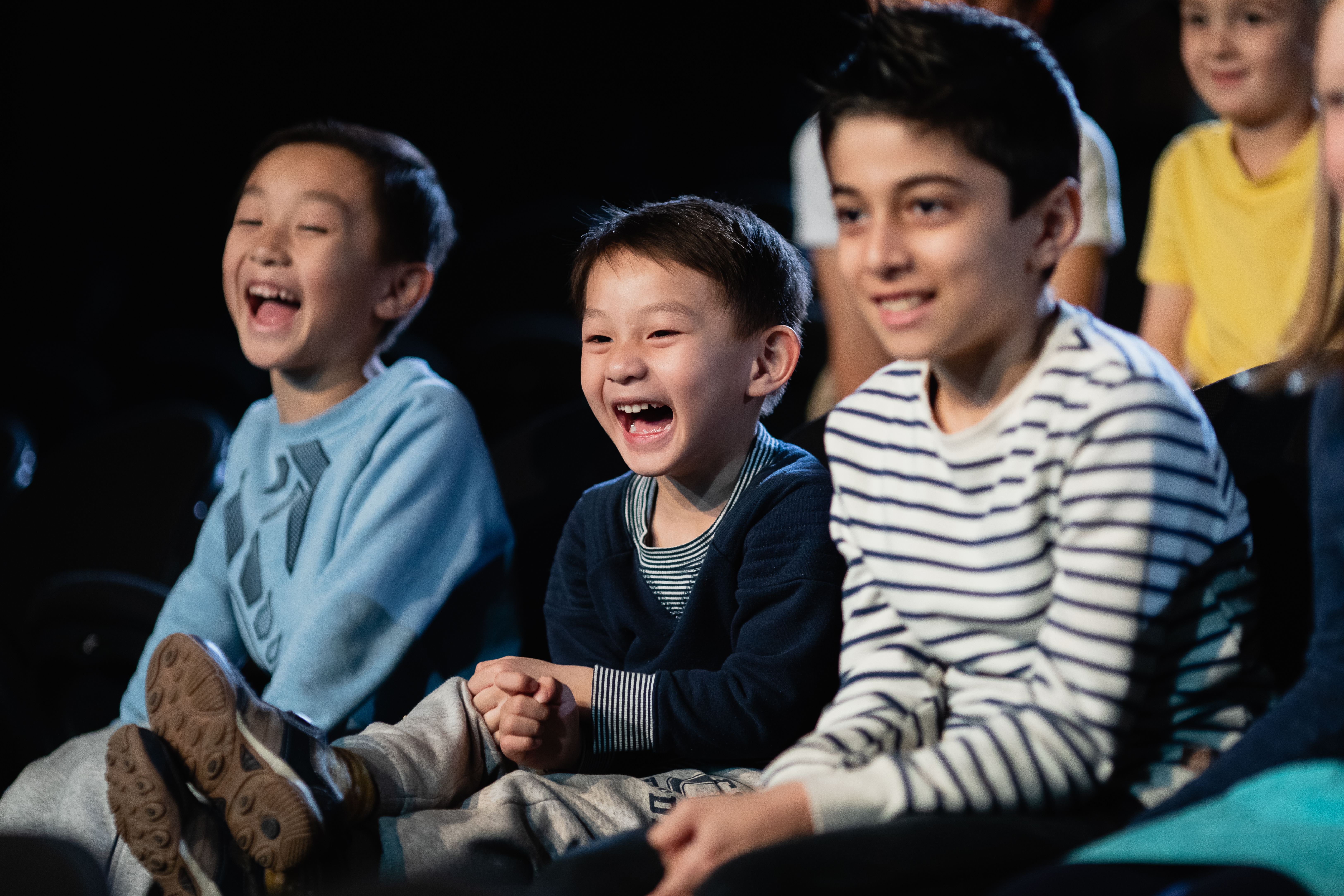
Across Australia, the youth arts sector is actively upholding this right. Artists, companies, educators and community organisations are creating meaningful opportunities for young people to engage with the arts in many different ways. The diversity and depth of this work is significant.
At Monkey Baa Theatre Company, this is central. The focus is on creating high-quality theatre for young people and expanding access so that more children can experience it, regardless of their circumstances. This includes addressing barriers such as cost, geography and access to information.
Noel Jordan, Interim General Manager at Monkey Baa, who recently returned from leading the Edinburgh International Children’s Festival, reflected on this shift in perspective:
“Coming back to Australia, what struck me was how rarely we frame this work through a rights lens. In the UK, it is not unusual to talk about children’s cultural rights as a given. Here, we tend to speak about value or benefit. That difference matters. A rights-based approach creates a stronger foundation for action.”
Access, however, remains uneven. A child’s opportunity to engage with the arts can still depend on where they live or the resources around them. If this is a right, then the system that supports it needs to be stronger, more connected and more equitable.
So the question is simple.
What would it look like to treat access to the arts as a right in practice?
And what would need to change to make that real for every child?


